
That amber glow on your dashboard stops you mid-thought. The check engine light is on, and your mind goes straight to worst-case scenarios.
Before the panic sets in, take a breath. That light is your vehicle’s way of asking for help, and the sooner you respond, the better.
According to CarMD’s 2025 Vehicle Health Index, the average check engine light repair costs $415, based on analysis of more than 31 million vehicle failures recorded in 2024. Caught early, most issues stay in that range or well below it. Left alone, they rarely do.
In this post, we’ll cover:
- What your check engine light is actually telling you
- The difference between a steady light and a flashing one
- What professional car repair diagnostics involve and why they matter
- When to seek immediate service and when to schedule an appointment is fine
What Does the Check Engine Light Actually Mean?

That small engine icon on your dashboard is part of your vehicle’s onboard diagnostic system, known as OBD-II. It monitors hundreds of engine and emissions functions simultaneously, and when something falls outside normal parameters, the check engine light illuminates to alert you.
Your Vehicle’s Onboard Diagnostic System
Modern cars rely on a network of sensors that feed data to the engine’s computer in real time. When a sensor detects a problem, the computer logs a diagnostic trouble code and triggers the malfunction indicator light on your dashboard. The light itself doesn’t tell you what’s wrong. It tells you something needs attention.
Steady Light vs. Flashing Light
Not every check engine light carries the same urgency. Here’s what each means:
| Light Behavior | Technical Meaning | Risk Level | Primary Action |
| Steady Check Engine | The system detected a reading outside normal parameters (e.g., a faulty O2 sensor). | Moderate | Inspect at the next opportunity. |
| Flashing Check Engine | Active cylinder misfire is occurring right now. | Critical | Stop driving immediately. |
A flashing check engine light is a serious warning. Continuing to drive with a misfiring engine risks destroying the catalytic converter, turning a manageable repair into a much more expensive one.
Common Reasons Your Check Engine Light Comes On
The check engine light signals dozens of different issues, but a handful of causes account for the majority of diagnostic trouble codes. Here are the most common reasons the engine light illuminates:
- Oxygen sensors: Faulty oxygen sensors affect fuel efficiency and, if ignored, may damage the catalytic converter
- Catalytic converter: A failing catalytic converter reduces engine performance, fuel economy, and increases exhaust emissions
- Mass airflow sensor: A malfunctioning sensor disrupts the air-fuel mixture, causing rough idling and reduced fuel efficiency
- Spark plugs and ignition coils: Worn spark plugs cause engine misfires, reduced power, and poor fuel economy
- Loose gas cap: A loose or damaged gas cap allows fuel vapors to escape, triggering the check engine light and reducing fuel efficiency
- Emission system issues: Vacuum leaks, EVAP system faults, and exhaust system problems all register as trouble codes in the vehicle’s computer
The good news is that many of these issues are straightforward to diagnose and repair when caught early. The check engine light exists precisely to give drivers that early warning.
Why You Should Never Ignore a Check Engine Light
A steady check engine light on your dashboard might not feel urgent, especially when your car seems to be running fine. However, the engine’s computer detected something wrong, and ignoring that warning almost always makes the problem worse.
Small Issues Become Major Repairs
A malfunctioning oxygen sensor is a relatively minor repair. Leave it long enough, and the unburned fuel it causes will destroy the catalytic converter, turning a manageable fix into a far more expensive one.
The longer a vehicle runs with an unresolved issue, the more other components absorb the strain.
What Professional Car Repair Diagnostics Actually Involve
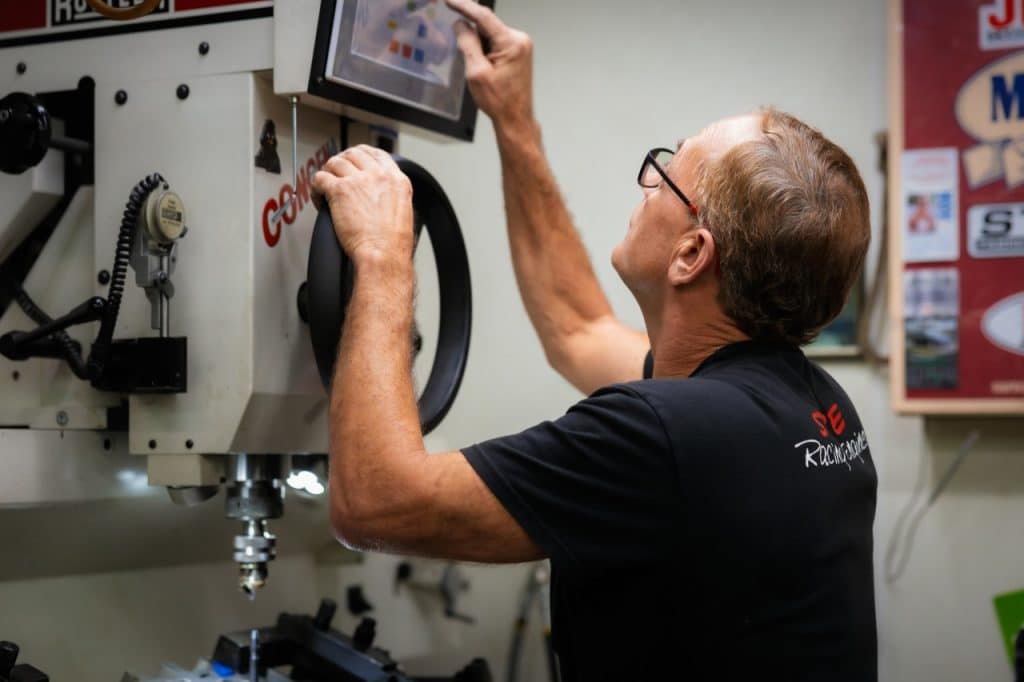
Many drivers assume a check engine light diagnosis means plugging in a scanner and reading a code. Professional car repair diagnostics go considerably deeper than that, and understanding the difference matters when choosing where to have your vehicle repaired.
Why Store Code Readers Aren’t Enough
Auto parts stores offer free code scans, and those scans have value. But a trouble code identifies a symptom, not always the root cause. Replacing the part the code suggests without proper diagnosis often means paying twice.
What Modern Diagnostics Cover
Professional car repair diagnostics use OBD-II scanners to read every trouble code stored in the vehicle’s computer. A trained mechanic then cross-references those codes with a physical inspection, live sensor data, and technical service bulletins specific to your vehicle.
The Professional Diagnostic Process
A professional diagnostic appointment follows a systematic process designed to identify the exact problem, not just the symptom the check engine light is reporting.
1. Code Reading
The mechanic connects an OBD-II scanner to your vehicle’s computer and retrieves all stored trouble codes. This gives them a starting point for the inspection.
2. Physical Inspection
The mechanic visually inspects the engine, exhaust system, fuel system, and related components for obvious signs of wear, damage, or failure.
3. Component Testing
Individual components flagged by the trouble codes are tested directly. This step is what separates professional diagnostics from a simple code read at an auto parts store.
4. Root Cause Identification
Once testing is complete, the mechanic identifies the actual root cause of the check engine light, not just the system it came from. This is the step that prevents unnecessary parts replacements and gets the repair right the first time.
When to Seek Immediate Service vs. Schedule an Appointment
Not every check engine light requires the same response. Knowing the difference saves time, money, and potentially your engine.
Seek Immediate Service
A flashing check engine light, a vehicle losing power, rough running, strange odors, or low oil pressure alongside the check engine light all require immediate attention. Pull over safely and call for service rather than continuing to drive.
Schedule an Appointment Soon
A steady check engine light with no other symptoms means scheduling a diagnostic appointment within a few days. The issue is real and needs professional attention, but it does not require abandoning your vehicle on the spot.
How Professional Check Engine Light Service Saves You Money
The average vehicle on U.S. roads is now 12.6 years old, according to data cited by the Bureau of Transportation Statistics. Older vehicles are more prone to check engine light issues, and the cost of ignoring those warnings compounds with every mile driven.
Preventive Maintenance That Prevents Check Engine Light Issues
Regular oil changes, spark plug replacement, air filter service, and fuel system maintenance address the most common triggers before they become check-engine-light issues. A consistent maintenance schedule is the most cost-effective way to keep the engine light off and repair costs down.
What to Expect at Your Diagnostic Appointment
A professional diagnostic appointment typically takes one to two hours. The mechanic will read your vehicle’s trouble codes, perform a physical inspection, test components, and provide a written estimate before any repair work begins. Transparent shops explain exactly what they found and why it matters.
Your Check Engine Light Has an Answer
That warning light on your dashboard is not a reason to panic. It’s a signal that your vehicle needs attention, and the sooner you get a professional diagnosis, the more options you have and the lower your repair costs are likely to be.
At Simmonson Automotive, we provide professional car repair, diagnostics, and honest check-engine-light service to drivers across the Tri-Cities area. Our expert team explains exactly what your vehicle needs, without pressure.
Check engine light on? Get expert answers today. Contact Simmonson Automotive for professional car repair, diagnostics, and transparent check-engine-light service.