
Car ownership looks very different than it did even five years ago. Vehicles are more complex. Repairs cost more. And skipping routine maintenance now carries much higher risk than it used to.
The average vehicle on U.S. roads is now about 12.7 years old, and industry forecasts expect that number to keep rising. That means more drivers are relying on older vehicles that need proactive care to stay reliable. At the same time, modern engines, electronics, and safety systems leave less room for missed service.
In 2026, these changes make preventive maintenance more important than ever, especially for drivers in Eastern Washington. In this article, we’ll cover:
- Why preventive maintenance matters more in 2026
- The key preventive maintenance tasks and updates drivers should prioritize
- How local driving conditions affect wear and tear
- The benefits of upgrading a maintenance plan now
- What a modern preventive maintenance plan should include
- Why working with a specialized mechanic matters
- Warning signs your current preventive maintenance program may be falling short
Whether you drive a European luxury vehicle or a daily commuter, upgrading your preventive maintenance strategy now can help you avoid expensive repairs. You’ll keep your vehicle performing the way it should.
Why Preventive Maintenance Tasks Matter More in 2026
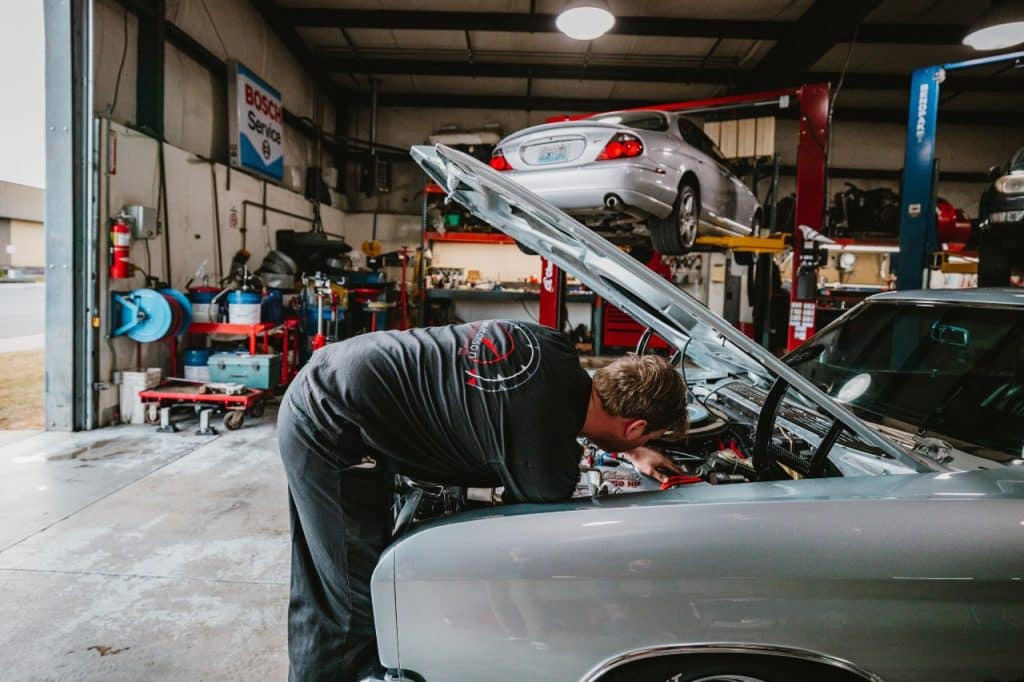
Preventive maintenance has always mattered. In 2026, it matters more because the margin for error is smaller.
A modern 2026 preventive maintenance approach focuses on prevention rather than reactive maintenance. Scheduled tasks reduce unexpected repair costs, limit downtime, and help vehicles stay dependable as they age.
Higher Costs Make Small Issues More Expensive
Parts and labor costs continue to rise nationwide. Repairs that once felt manageable now carry higher price tags, especially when specialized components or added labor time are involved.
Putting off small issues is no longer a low-risk choice. What starts as a minor concern can quickly become a major repair.
Technology Has Raised the Stakes
Modern vehicles rely on interconnected systems. Engines, transmissions, braking systems, and driver assistance features depend on sensors and control modules working together.
When one system begins to fall behind, it often affects others. Preventive maintenance helps catch these issues early, before they spread.
Drivers Are Keeping Vehicles Longer
High new-vehicle prices have changed ownership habits. Many drivers are keeping their cars well past the five- or six-year mark.
Higher mileage places added stress on engines, cooling systems, suspension, and drivetrains. Regular maintenance becomes a must for maintaining asset reliability and avoiding sudden breakdowns.
Key Maintenance Updates to Prioritize in 2026
Maintenance schedules aren’t universal. In 2026, the focus shifts from mileage-only service to condition-based care. This proactive approach to your vehicle is the best way to maintain overall equipment effectiveness.
Vehicles are smarter, but they also demand more attention in the right areas. Every preventative maintenance checklist should include the following:
Updated Manufacturer Service Intervals
Automakers continue to refine maintenance schedules based on engine design, driving conditions, and vehicle technology.
Oil change intervals vary widely now, especially for turbocharged and direct-injection engines. Transmission service has also become more important as vehicles age and accumulate miles. Following outdated schedules can leave critical components unprotected.
Brake systems deserve closer attention as well. Modern vehicles use advanced braking and stability systems that can hide wear until performance drops. Regular brake inspections help prevent reduced stopping power and uneven wear that leads to larger repairs.
Hybrid and Electric Vehicle Considerations
Hybrid and electric vehicles introduce new maintenance priorities. High-voltage batteries, cooling systems, and charging components all need regular inspection.
Software updates play a larger role, and skipping them can affect performance or system reliability. Preventive care helps protect battery life and reduces the risk of electrical issues.
Advanced Diagnostic Checks Matter More
Dashboard warning lights no longer tell the whole story. Many issues develop quietly long before a light appears.
Advanced diagnostics allow technicians to review system data, fault histories, and performance trends. The access to real-time data and asset history makes it possible to address small concerns early instead of waiting for a failure.
Battery and Charging System Inspections
Battery-related issues remain one of the most common causes of breakdowns. In 2026, this includes more than just the battery itself.
Alternators, starters, and charging systems work harder than ever to support modern electronics. Regular testing helps avoid no-start situations and electrical problems that affect multiple systems.
How 2026 Driving Conditions Impact Wear & Tear and Maintenance Needs

Where and how you drive matters just as much as how often you service your vehicle.
In Eastern Washington, driving conditions are a key difference and add wear that standard maintenance schedules do not always account for.
Increased Traffic and Stop-and-Go Driving
Traffic congestion continues to grow on major routes throughout the Tri-Cities area. More stop-and-go driving places added strain on brakes, transmissions, and cooling systems.
Engines spend more time idling. Automatic transmissions shift more often. Over time, that extra stress accelerates wear and raises the risk of overheating or premature component failure.
Seasonal Temperature Swings
Eastern Washington sees wide temperature shifts throughout the year. These swings shorten the lifespan of parts that might last longer in milder climates.
Cold winters reduce battery performance and thicken fluids. Hot summers put added pressure on cooling systems, air conditioning components, and sensors.
Road Construction and Rough Surfaces
Ongoing road construction across the region leads to uneven pavement, debris, and potholes. Tires, wheels, and suspension components absorb most of that impact.
Misalignment, uneven tire wear, and damaged suspension parts often develop gradually and go unnoticed without regular inspection.
Benefits of Upgrading Your Maintenance Plan Now
Upgrading your maintenance plan in 2026 is about control. It gives you more predictability over maintenance costs, fewer surprises, and better long-term reliability. Instead of reacting to problems as they happen, you stay ahead of them.
A proactive approach reduces stress on critical systems like engines, transmissions, and cooling components. A vehicle’s overall operational efficiency improves when fluids are fresh, sensors are working correctly, and wear is addressed early.
Over time, this consistency of asset management extends vehicle life and prevents cascading failures that lead to expensive repairs.
For higher-end and technology-heavy vehicles, precision matters even more. Brands like BMW, Audi, Volvo, Porsche, and Land Rover are engineered with tighter tolerances and advanced systems. Staying current with service standards preserves performance, safety, and long-term value.
Upgrading your preventive maintenance plan in 2026 helps:
- Extend the overall lifespan of your vehicle
- Improve fuel efficiency and system performance
- Reduce the risk of unexpected breakdowns
- Minimize emergency repair costs and downtime
- Protect resale and trade-in value
- Keep specialized vehicles operating as designed
This approach turns maintenance into a long-term investment rather than a series of last-minute fixes.
What an Upgraded Preventive Maintenance Plan Should Include
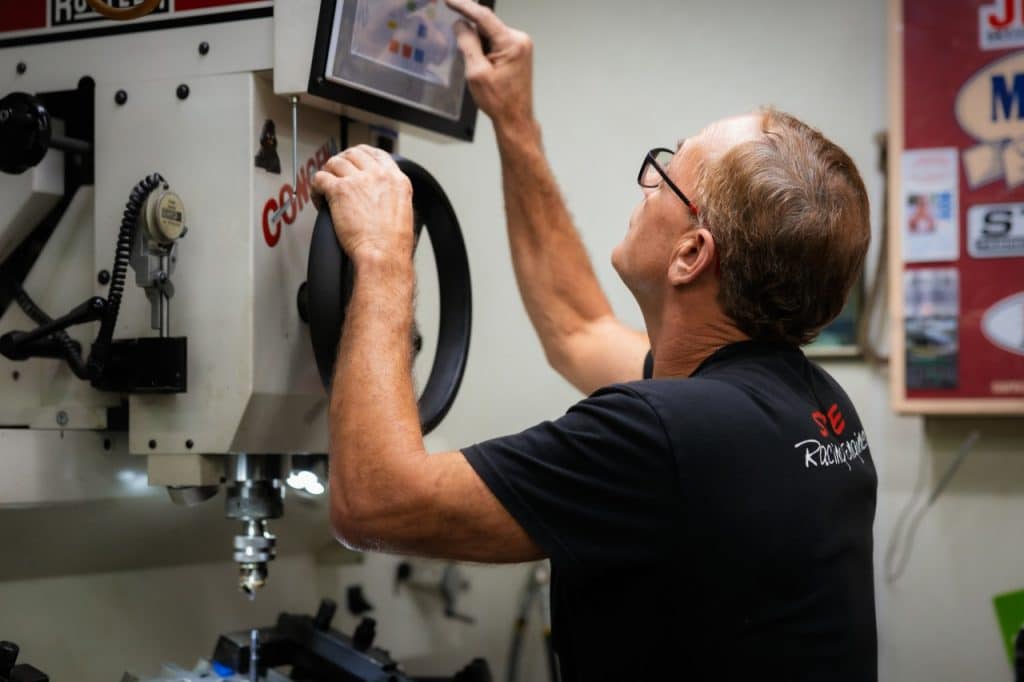
A modern preventive maintenance plan looks beyond mileage. In 2026, vehicles generate more data than ever, and waiting for warning lights is no longer enough.
The goal is to monitor condition, performance, and system health on a regular basis.
Upgraded maintenance focuses on early detection. That means identifying wear, software issues, and system imbalances before they cause drivability problems or expensive failures. This approach is especially important for vehicles with advanced electronics and integrated safety systems.
A well-rounded 2026 preventive maintenance plan should include:
- Regular diagnostic scans to check for stored fault codes and system irregularities, even when no warning lights are present
- Tire rotations, alignments, and tread inspections to reduce uneven wear and improve handling and braking
- Fluid testing for oil, coolant, brake fluid, and transmission fluid based on condition, not just mileage
- Battery, alternator, and charging system inspections to prevent no-start situations and electrical failures
- Software updates and module scans to keep vehicle systems operating correctly and efficiently
- Seasonal inspections to prepare for winter cold and summer heat, including battery load testing and cooling system checks
This type of plan adapts to how a vehicle is driven and how it ages. It replaces guesswork with informed decisions that protect performance and reliability over time.
Role of a Specialized Mechanic and Maintenance Teams
As automotive technology advances, general service approaches leave more room for error. Specialized vehicles require specialized care, especially as they age.
Model-Specific Knowledge Matters
Luxury, European, and performance vehicles are built with unique platforms, software, and service requirements.
Brands like BMW, Audi, Porsche, Volvo, and Land Rover use proprietary systems that vary widely by model and year. Maintaining these vehicles correctly means understanding how those systems are designed to work together, not relying on universal service assumptions.
Advanced Diagnostics Go Beyond Warning Lights
Modern vehicles collect and store large amounts of performance asset data. Many developing issues never trigger a dashboard alert until damage is already done.
Advanced diagnostic tools allow technicians to access fault maintenance histories, system values, and performance trends that reveal problems early. This level of visibility is needed for accurate preventive maintenance.
Correct Procedures Protect Long-Term Reliability
Specialized vehicles often require precise service steps, software calibrations, and component-specific handling.
Skipping or altering these procedures can lead to drivability issues, reduced performance, or repeat failures. Following proper service methods protects sensitive systems and preserves how the vehicle was engineered to operate.
Warning Signs Your Current Maintenance Plan Isn’t Enough
Maintenance gaps usually show up through small changes, not sudden failures. Recognizing these early warning signs can help prevent larger repairs and unexpected breakdowns.
Common signs your maintenance plan may need an update include:
- Frequent dashboard alerts or warning messages that return after service or appear more often than expected
- Declining fuel economy without changes to driving habits
- Slow starts, rough idling, or hesitation during acceleration
- Reduced braking response, vibrations, or changes in handling
- Unusual noises such as clicking, grinding, humming, or rattling
- Electrical issues like dim lights, malfunctioning accessories, or intermittent system faults
When these symptoms appear, they often point to deeper issues that routine service schedules miss. Updating a preventive maintenance plan early helps address problems before they affect safety, reliability, or repair costs.
Staying Ahead of Vehicle Maintenance Costs in 2026
As vehicles grow older and more complex, preventive maintenance becomes less about routine schedules and more about strategy. In 2026, staying ahead of repairs means understanding how modern systems age, how driving conditions affect wear, and how small issues turn expensive when ignored.
Upgrading a preventive maintenance plan allows service decisions to be based on real vehicle data rather than guesswork. This approach to predictive maintenance reduces unexpected breakdowns, protects long-term reliability, and is especially important for luxury and technology-heavy vehicles where precision matters.
At Simmonson Automotive, preventive maintenance is built around advanced diagnostics and model-specific expertise. Each plan is customized to the vehicle and how it’s driven, with the goal of minimizing surprises and extending performance.
Ready to update your 2026 preventive maintenance plan? Schedule a full diagnostic and personalized maintenance review. Reach out now!