
When you think about repairing your car, you simultaneously think of taking it to the mechanic, as traditionally, this has been the term for everyone who works on automobiles. However, as technology has developed in the car industry, another term has come to the tips of our tongues – technician – and is often used interchangeably with mechanic. Nevertheless, there are distinct differences between these two roles in the context of modern vehicle maintenance.
Understanding these differences can help you make more informed decisions when seeking car repairs between a technician vs mechanic. At Simmonson Automotive, we employ both highly skilled technicians and experienced mechanics to ensure your vehicle gets the attention it needs, whether it requires high-tech diagnostics or hands-on repairs. Today, we will explore what sets an automotive technician apart from a mechanic, explaining their unique roles, skill sets, and when you should seek their expertise.

What is an Automotive Technician?
An automotive technician is a highly trained professional specializing in diagnosing and solving complex problems within modern vehicles. Technology has grown in every aspect of modern vehicles – from sensors on your bumpers, cameras, fluid and pressure monitors, and other advancements – a simple repair isn’t so simple anymore; it’s technical. From these developments, the role of an automotive technician was born, and technicians are becoming increasingly crucial for keeping vehicles running smoothly. Automotive technicians are trained to handle a wide range of high-tech systems, including infotainment, hybrid engines, sensors, and computer diagnostics.
Technicians often diagnose issues using advanced tools and equipment. These tools may include specialized diagnostic machines, computer software, and other high-tech devices designed to read error codes and evaluate system performance that a technician is specifically trained to use. In many cases, technicians may focus on the electronics and sensors that power modern vehicles, making them integral to solving issues related to the car’s computer systems.
Technicians are highly certified professionals. Most have earned the Automotive Service Excellence (ASE) certification, demonstrating their expertise in specific areas like electrical systems, hybrid vehicles, or advanced diagnostics. Their training ensures they are equipped to handle complex issues that require more than just a mechanical touch, and they are often certified in specific car brands.
What is an Automotive Mechanic?
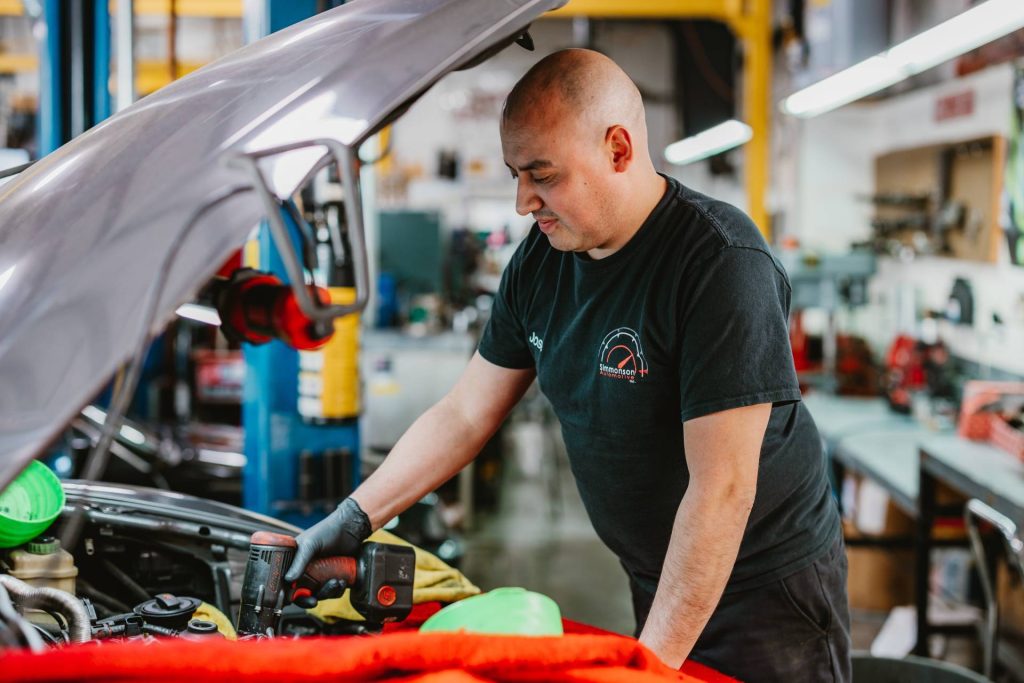
On the other hand, an automotive mechanic traditionally handles the physical aspects of a vehicle’s repair and maintenance. This includes engine repairs, brake work, tire changes, and suspension repairs. Mechanics are the professionals who roll up their sleeves and perform the hands-on labor that keeps your car running smoothly.
While mechanics may still deal with diagnostics, their primary focus is on the physical components of the car. This involves a deep understanding of how mechanical systems function and how to repair or replace parts when necessary. Mechanics rely on traditional tools, such as wrenches, lifts, and hydraulic equipment, to perform their work. They often work with the engine, transmission, brakes, and other mechanical systems that require physical repair or replacement. Mechanics tend to be more hands-on with vehicles, as their expertise lies in understanding how each physical part interacts within the broader system of the vehicle.
The Key Differences: Technician vs Mechanic
While the roles of a technician vs mechanic may overlap at times, there are some important distinctions between the two professions:
1. Their Skill Sets
Technicians are primarily focused on diagnostic work and complex technological components; they are highly trained in electronics, sensors, and computer-based systems within a vehicle. In contrast, a mechanic specializes in hands-on repairs, including working on engines, brakes, exhaust systems, and other physical parts of the car.
2. Tools They Use
Technicians use high-tech diagnostic tools and software to read error codes and troubleshoot complex electronic systems in modern vehicles. On the other hand, mechanics typically rely on traditional tools like wrenches, screwdrivers, and hydraulic lifts to perform mechanical repairs.
3. Training and Certifications
Technicians often undergo specialized training in electronics, hybrid systems, and other modern automotive technologies and usually hold brand-specific certifications. They frequently hold certifications like ASE, with a focus on advanced diagnostics and repair of electronic systems. While they may also hold ASE certifications, mechanics tend to focus more on mechanical repair skills, such as engine repair, brake maintenance, and suspension work.
When Should You See a Technician vs Mechanic?
Knowing when to see a technician vs mechanic can save you time and ensure your car gets the right kind of care. Here are some guidelines:
See a Technician If:
- Your car is experiencing issues with its electronics, sensors, or computer systems.
- A “check engine” light is on, and the issue isn’t apparent from a visual inspection.
- Your vehicle has advanced systems, like hybrid engines, infotainment systems, or advanced driver-assistance systems (ADAS), that require specialized knowledge to diagnose.
- Your vehicle shows error codes that diagnostic equipment needs to read and interpret.
See a Mechanic If:
- You need physical repairs, such as engine repairs, brake service, or suspension work.
- You need maintenance on traditional car systems, like tire rotations or fluid changes.
- Your car needs replacement parts like brake pads, belts, or spark plugs.
The Role of Both in Modern Automotive Repair
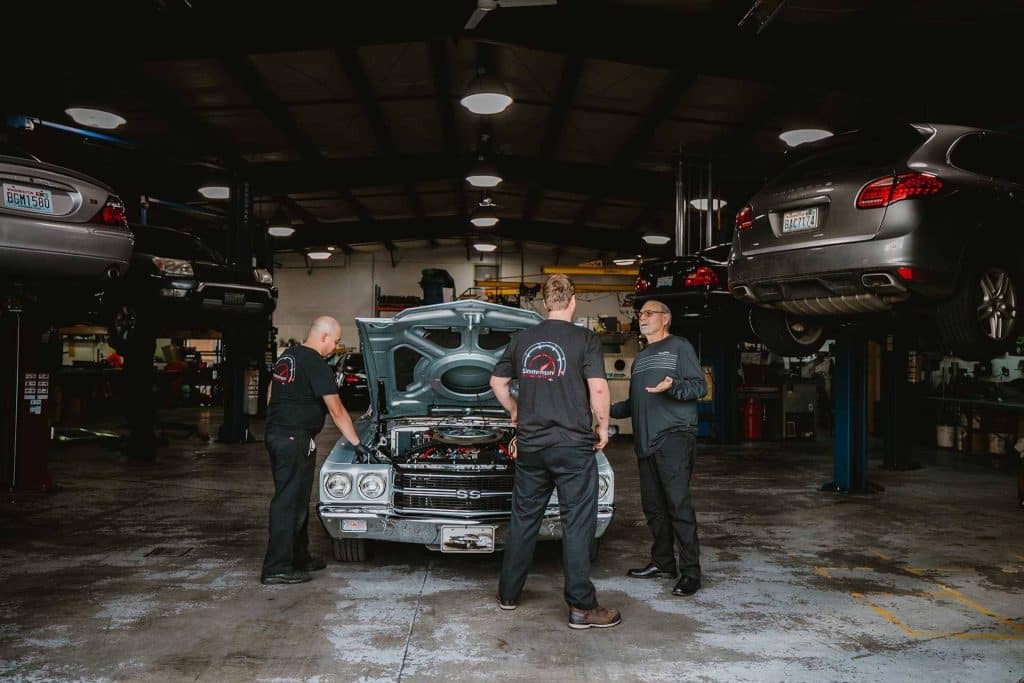
In today’s automotive industry, technicians and mechanics often work closely together to ensure a vehicle’s full range of systems is appropriately maintained. A technician might diagnose a problem with a car’s electrical system, and once the issue is identified, a mechanic could handle the physical repair needed to fix it. For example, a technician might identify a malfunctioning sensor within a car’s braking system. The mechanic would then replace the faulty sensor and reassemble the braking system. This collaboration ensures correct diagnosis and adequately addresses your vehicle’s technical and physical aspects. Both technician and mechanic roles are vital in modern automotive repair, relying on both sets of expertise to keep everything running smoothly.

Why Choose Simmonson Automotive for Your Car’s Needs?
At Simmonson Automotive, we understand the importance of both technicians and mechanics in keeping your car in top condition. Our team includes expert technicians who diagnose complex issues with modern vehicle systems and experienced mechanics who can handle the hands-on repairs critical for your car’s maintenance.
Are you searching for a technician or mechanic in the Pasco, Washington, area? Whether you need advanced diagnostics, hybrid vehicle repair, or simple tire maintenance, we have the right professional for the job. Our commitment to offering top-quality service, backed by a combination of expertise in diagnostics and repair, means you can trust us to provide comprehensive care for your vehicle. Contact us today for top-quality service!