
The Range Rover is renowned for its luxurious design, powerful performance, and cutting-edge engineering. With its advanced technology, many owners wonder whether it truly needs frequent servicing or if modern advancements allow for extended maintenance intervals. Some sources claim that a Range Rover can go as long as 20,000 miles without an oil change, thanks to its sophisticated engine and high-performance synthetic oils – but is this a realistic or advisable approach to vehicle maintenance? At Simmonson Automotive, we specialize in servicing luxury European vehicles, including every type of Land Rover. While the thought of minimizing maintenance sounds appealing, there are several other factors to consider before stretching an oil change interval to 20,000 miles. In this article, we will explore manufacturer recommendations, driving conditions, and the potential risks involved, leaving you with an informed decision about Range Rover oil change frequency.
Manufacturer Recommendations for Range Rover Oil Changes

Land Rover has continually refined its engine technology, allowing the newer models to have longer service intervals than older vehicles. Under ideal conditions, the brand recommends an oil change every 10,000 to 15,000 miles, which could mean avoiding extreme temperatures, driving consistent distances, and using premium oils. Some models even have onboard oil monitoring systems that suggest extended intervals based on driving habits.
One reason for this increased longevity is the use of synthetic oil, which lasts longer than conventional oil while providing better lubrication and resistance to breakdown. Additionally, the precision engineering of modern Range Rover engines reduces contamination and friction, which helps extend the time between oil changes.
However, while these improvements theoretically make extended vehicle maintenance schedules possible, real-world driving conditions are rarely “ideal.” Many factors can accelerate oil degradation, making a 20,000-mile interval impractical and potentially harmful to your engine.
Factors That Impact Oil Change Frequency

1. Driving Conditions Matter
The way you drive your Range Rover has a significant impact on how often you will need to have an oil change. While highway driving at consistent speeds may allow for longer intervals, other common driving conditions demand more frequent oil changes:
- Frequent short trips: If you primarily drive short distances, your engine doesn’t reach optimal operating temperature, leading to increased oil contamination.
- Extreme environments: Hot climates cause oil to break down faster, cold climates can cause sludge buildup, and dusty conditions can contaminate and disrupt your engine.
- Heavy towing or off-road use: If you use your Range Rover for towing or off-road adventures, the extra stress on the engine will cause your oil to degrade more quickly.
Following the 10,000–15,000-mile recommendation is already pushing the limit, and waiting until 20,000 miles could result in engine damage.
2. Oil Type: Synthetic vs. Conventional
Land Rover exclusively recommends synthetic oil for all Range Rover models. Synthetic oils last significantly longer than conventional oils due to their superior heat resistance, reduced friction, and fewer impurities. However, even these fortified synthetic oils have limits. Over time, oil accumulates contaminants such as dirt, carbon deposits, and moisture, reducing effectiveness. While synthetic oil allows for longer vehicle maintenance intervals, changing it at manufacturer-recommended times is essential to prevent performance issues. Waiting 20,000 miles—even with synthetic oil—could compromise your engine’s health, leading to more costly repairs down the road.
3. Engine Performance and Longevity
An oil change isn’t just about following a schedule—it’s about ensuring your Range Rover operates efficiently. Fresh oil helps lubricate internal engine components, reduce friction and wear, keep the engine cool by dissipating heat, and prevent sludge and carbon buildup that can clog the engine. Over time, oil loses its protective qualities, leading to increased wear and tear and eventually premature aging of engine parts, reduced fuel efficiency, and expensive future repairs.
Potential Risks of Waiting Too Long for an Oil Change
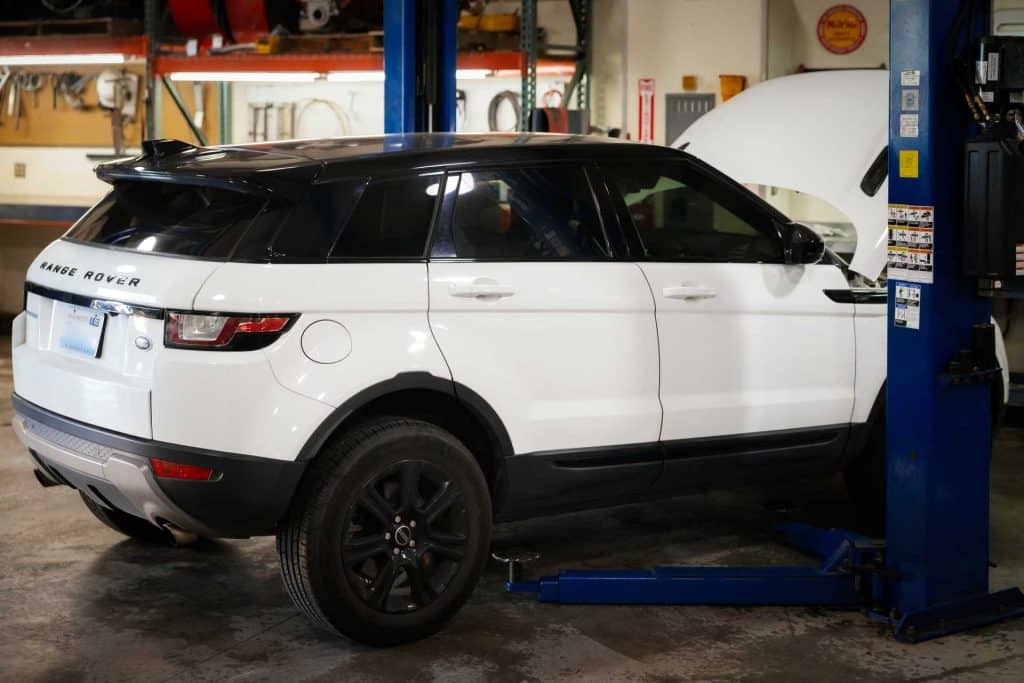
Pushing an oil change interval beyond what’s recommended can have serious consequences. Here’s what happens when oil degrades over time:
1. Increased Engine Wear and Tear
Oil provides a protective barrier between moving parts, preventing metal-on-metal contact that can quickly damage cars. As oil degrades, it loses its lubricating properties, causing increased engine wear and the potential for major mechanical failures.
2. Decreased Fuel Efficiency
Old, dirty oil increases engine friction, forcing your Range Rover to work harder. This results in lower fuel efficiency, higher fuel costs over time, and extra wear and tear on your valuable engine.
3. Higher Emissions and Poor Performance
Degraded oil doesn’t effectively clean the engine, leading to sludge buildup. This can increase emissions and negatively impact performance, making your vehicle sluggish and unresponsive.
4. Voiding Your Manufacturer Warranty
Skipping recommended vehicle maintenance could void your manufacturer warranty. Land Rover requires proof of regular servicing to honor warranty claims, and exceeding the recommended oil change interval could result in denied coverage for costly engine repairs.
How Simmonson Automotive Can Help Maintain Your Range Rover
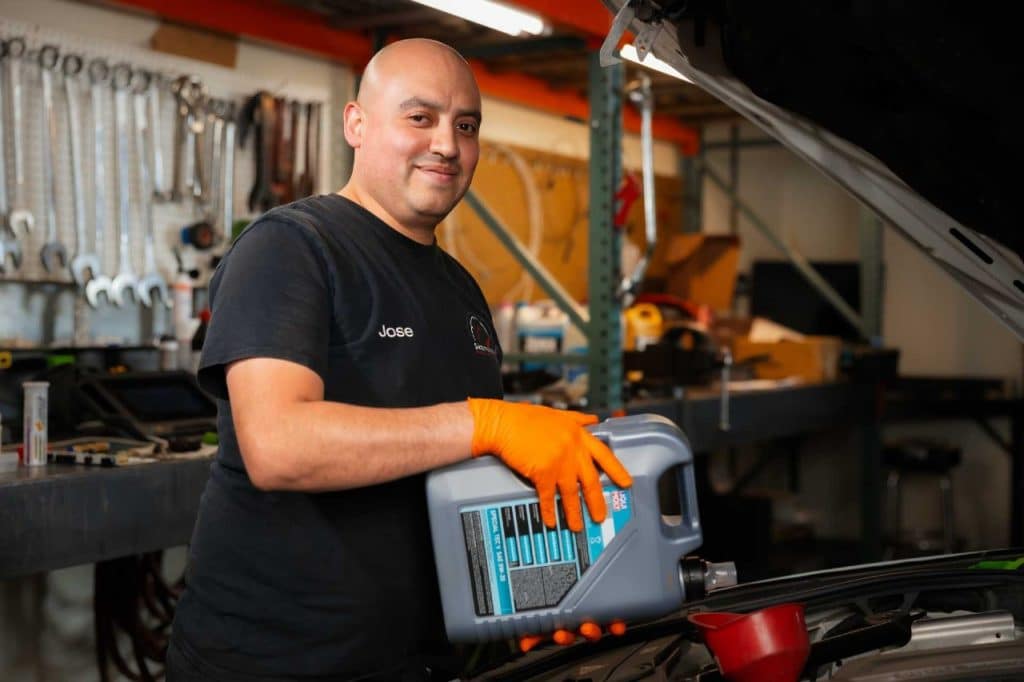
At Simmonson Automotive, we understand the importance of precision vehicle maintenance to keep your Range Rover running at its best. Here’s how we ensure your vehicle gets the care it deserves:
- Expert Inspections: Our highly trained technicians specialize in European luxury vehicles, including all Land Rover models. We provide comprehensive inspections to assess oil condition and overall engine health, ensuring you never go too long between services.
- Quality Oils and Filters: We use premium synthetic oils and high-quality filters to optimize your vehicle’s performance. Unlike quick-lube shops, our specialized technicians ensure that your Range Rover gets the best products and original equipment manufacturer parts that are tailored to its specific needs.
- Custom Maintenance Plans: At Simmonson, we know every driver is different. Whether you drive in extreme weather, tow heavy loads, or take frequent short trips, we develop customized service plans based on your unique driving habits. We aim to maximize engine longevity while optimizing your oil change schedule for real-world conditions.
The Final Verdict: Can a Range Rover Go 20,000 Miles Without an Oil Change?
Technically, some modern Range Rover models equipped with synthetic oil and advanced monitoring systems might stretch their oil change intervals. However, for most drivers, real-world conditions make it highly inadvisable to wait 20,000 miles. Manufacturer guidelines, driving habits, and oil degradation all play a role in determining the ideal vehicle maintenance schedule. If you’re questioning whether to get an oil change, it’s best to consult a professional.
How Simmonson Automotive Can Help Your Range Rover
At Simmonson Automotive, we recommend following Land Rover’s service intervals while considering your unique driving conditions. If you’re unsure about your oil condition or need expert advice, don’t take risks—bring your Range Rover in for a professional assessment.
Contact our team today for expert advice and high-quality vehicle maintenance that keeps your luxury SUV performing at its peak!